Puerto Vallarta, Jalisco, Mexico – The Jalisco government is preparing to begin a new phase of infrastructure improvements at Puerto Vallarta’s Estero El Salado, enhancing access and safety while reinforcing the long-term protection of one of the city’s most important natural areas.
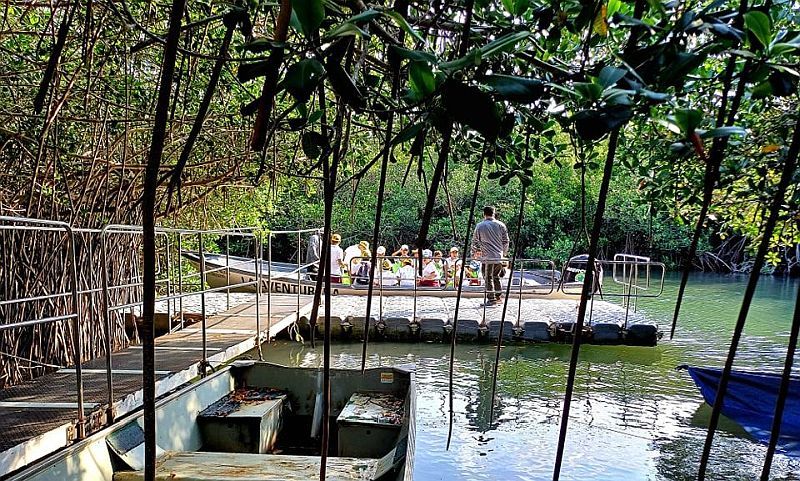
During a recent visit to Puerto Vallarta, Jalisco Secretary of Infrastructure and Public Works David Zamora Bueno inspected the site where construction is set to begin in the coming days. The project includes expanding the estuary’s access docks and the dock at the observation tower, along with maintenance work designed to improve mobility, accessibility, and safety for visitors, researchers, and conservation staff.
The upgraded docks will provide a safer and more functional boarding area for the boats that travel through the estuary’s winding mangrove channels. These guided tours are among El Salado’s most popular environmental education and nature tourism experiences, giving visitors, students, and local residents an opportunity to learn about the area’s ecological value while observing wildlife in its natural habitat.
State officials emphasized that the improvements are being designed to meet public use needs without compromising the estuary’s environmental character. The project follows a low-impact approach intended to preserve the ecosystem while supporting scientific research, environmental education, and sustainable tourism.
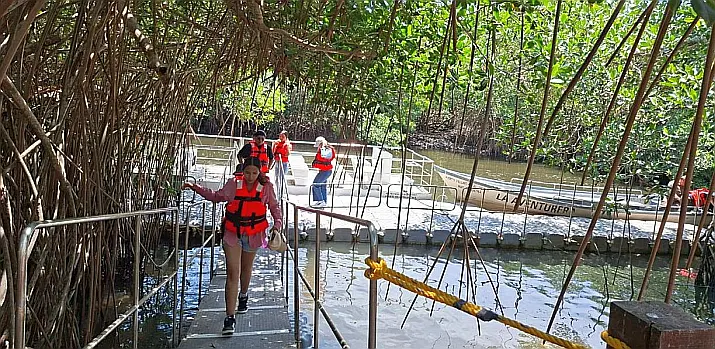
Zamora Bueno said the new infrastructure will make it easier to carry out educational activities, research projects, and guided tours, all of which contribute to greater public awareness of the importance of conserving Puerto Vallarta’s natural resources.
Located in the heart of Puerto Vallarta’s hotel zone, El Salado Estuary is one of the last significant mangrove ecosystems remaining within the city’s urban area. Declared an Ecological Conservation Zone on July 27, 2000, the protected area serves as an important refuge for wildlife and a living classroom for environmental education.
Fed by the Cuale and Ameca rivers, the estuary is home to three species of mangroves, salt marshes, remnants of semi-deciduous forest, and aquatic vegetation. Researchers have documented 134 bird species, 46 plant species, 29 mammal species, and 29 species of amphibians and reptiles within its boundaries.
Three years ago, then-Governor Enrique Alfaro inaugurated a major rehabilitation project completed between 2021 and 2023. At that time, the protected area was expanded from 169 to its current 209 hectares, strengthening its conservation status.
That earlier investment totaled 37 million pesos and funded the construction of an entrance plaza and information center, trails, docks, an observation tower, service walkways, signage, a nursery, storage facilities, and restrooms. After several years of continuous use, portions of the infrastructure now require upgrades to maintain safe and efficient operation.
Environmental authorities note that El Salado’s designation as a State Park six years ago further strengthened efforts to protect this unique habitat. As Puerto Vallarta continues to grow, the estuary remains an important example of how conservation, education, scientific research, and responsible tourism can work together to preserve one of the Banderas Bay region’s most valuable natural treasures.

For over 25 years, Banderas News has been the pulse of Puerto Vallarta, bringing you stories that matter most to residents and visitors alike. From breaking news to exciting events and cultural features, we’ve been dedicated to keeping you informed and connected – free of charge. Your contribution helps us maintain this commitment and continue serving our community.