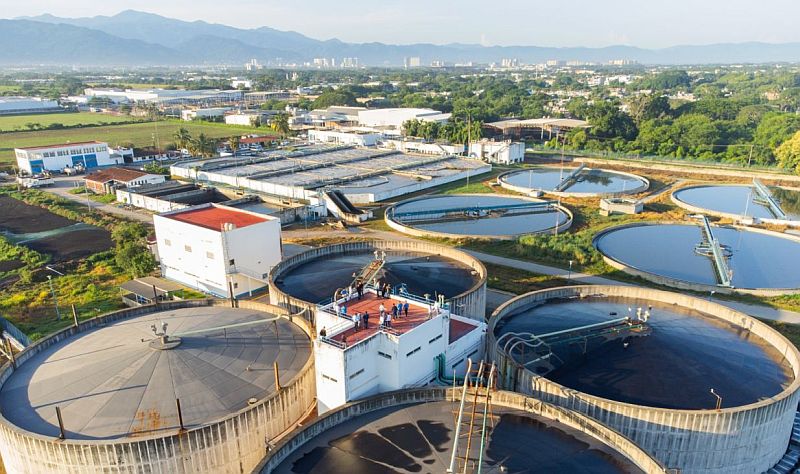
Puerto Vallarta’s continued growth has placed increasing demands on its water infrastructure, and SEAPAL Vallarta has responded by expanding its production capacity while maintaining the high standards that have earned the utility national recognition for decades.
For 35 consecutive years, SEAPAL has received certifications recognizing the sanitary quality of its drinking water, as well as its administration, operation, and ongoing improvement of water, drainage, and sewage services for the community.
During the first six months of 2026, SEAPAL produced 20,771,559 cubic meters of potable water – equivalent to more than 20.7 billion liters – to supply homes, businesses, and the tourism industry. The period included the most challenging months of the dry season, when high temperatures and limited natural water availability place additional pressure on the system.
The utility averaged 1,328 liters of water per second between January and June, representing a 4.9 percent increase over the 1,266 liters per second recorded during the same period in 2025. Officials said the increase reflects a strategy promoted by Mayor Luis Munguía and carried out under the administration of SEAPAL Director Carlos Ruiz to strengthen water availability and meet the city’s growing needs.
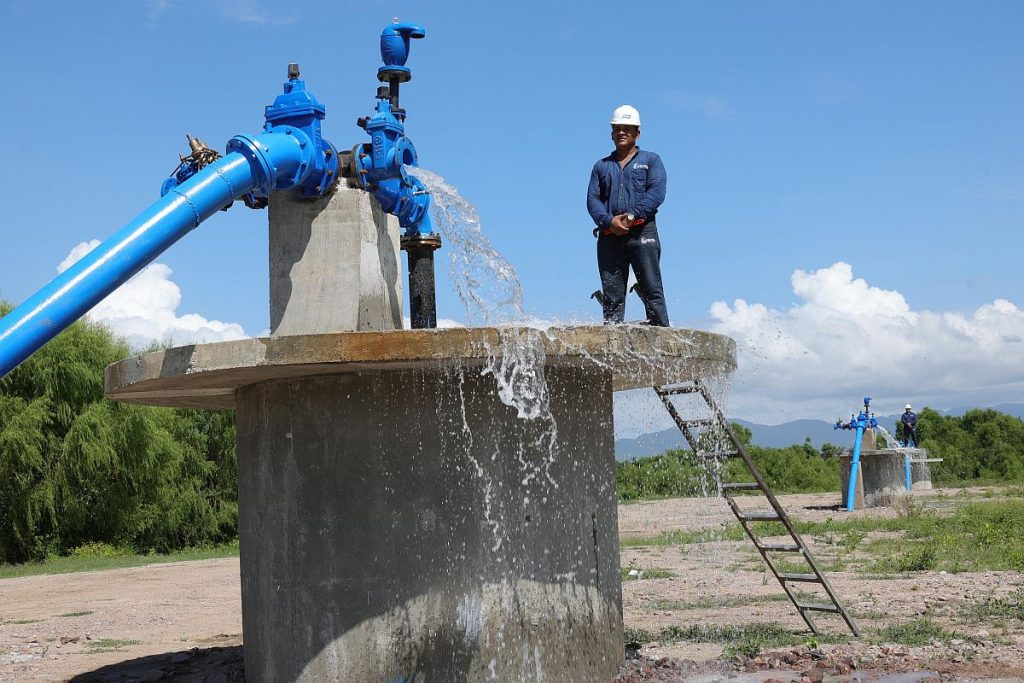
A major contributor to the higher production was the completion of three vertical galleries in the Mascota River, described as Puerto Vallarta’s most significant potable water production project in the past 30 years. The redrilling of Well 19 in Las Juntas also added capacity to the system.
Additional improvements included replacing pumping equipment at key facilities and carrying out preventive work along the Ameca River to protect the raw water transmission line. Together, these infrastructure projects helped restore water flow and improve the utility’s ability to respond to increasing demand.
Groundwater remained the primary source of supply, accounting for 17,626,925 cubic meters, or 84.86 percent of total production, through the city’s deep well network. The remaining 3,144,634 cubic meters, representing 15.14 percent, came from surface water sources, including infiltration galleries and water treatment plants.
To put the scale of the operation into perspective, the amount of potable water produced during the first half of 2026 would be enough to fill Mexico City’s Azteca Stadium approximately 14 times. This achievement highlights the extensive effort required to provide a reliable supply of safe drinking water for Puerto Vallarta’s residents and the millions of visitors the destination welcomes each year.

Your local news matters. Banderas News is your trusted source for Puerto Vallarta news and information, keeping you informed about the issues that affect your daily life. Unlike other media outlets, we believe news should be free and accessible to everyone. Your contribution helps us maintain this commitment and continue serving our community.