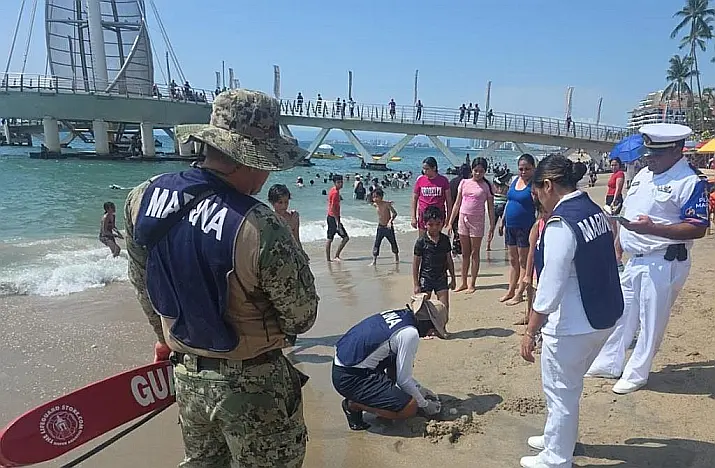
Puerto Vallarta, Mexico – Members of the Mexican Navy patrolling Playa Los Muertos recently discovered a hidden sea turtle nest buried in the sand. During foot patrols conducted as part of Operation Lifesaver Summer 2026, naval personnel noticed signs of the nest and acted quickly to secure the site. Their response resulted in the rescue of 62 sea turtle eggs from potential hazards on the popular beach.
Following established conservation protocols, the eggs were carefully collected and transferred to the Municipal Departments of Environment and Ecology, which works with local marine biologists. The specialists will oversee their incubation in a protected setting until the hatchlings are ready for release.
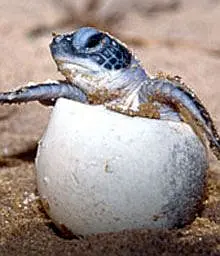
Protecting nests is especially important because the odds of survival for sea turtles are extremely low. Marine experts estimate that only about one in every 1,000 hatchlings survives to adulthood due to natural predators, egg poaching, marine pollution and human activity. Each protected egg therefore represents another opportunity for a young turtle to reach the ocean and eventually return to the region’s shores to continue the species’ life cycle.
Jalisco’s coastline provides important nesting grounds for several sea turtle species. Olive ridley turtles make up the majority of seasonal visitors from June through December, arriving along the beaches of Banderas Bay, Cabo Corrientes and surrounding areas. Protected species such as Leatherback, Black and Hawksbill turtles also rely on these shores to reproduce.
As nesting season continues, residents and visitors can help safeguard both turtles and their nests. Anyone who sees a female sea turtle coming ashore should report the sighting to the Department of Environment and Ecology at 322-224-9121 or call 911. Observers should remain at least 10 meters away and stay quietly behind the turtle without unnecessary movement.
People should never form a circle around a nesting turtle or gather around a nest. Crowds and activity on the beach can cause stress and may cause a female to abandon the nesting process. Marked or identified nests should also be left undisturbed, allowing conservation personnel to monitor them without interference.
Lights and flash photography should be avoided when a turtle is nesting. Bright light can disorient or disturb the female, potentially causing her to return to the ocean before laying her eggs. Beachgoers should also avoid walking over nesting areas, since stepping on the sand can damage a nest and make it more difficult for the mother to find her way back to the ocean.
The discovery at Playa Los Muertos highlights the importance of careful monitoring during sea turtle season. With the cooperation of naval personnel, conservation specialists and the public, more nests can be given the protection they need to help future generations of sea turtles make their way from the beaches of Puerto Vallarta to the ocean and, one day, back again.

We Need Your Support: In a world where information is increasingly locked behind paywalls, Banderas News remains committed to providing essential news and information to Puerto Vallarta residents and visitors, free of charge. Your support ensures we can continue delivering the stories that matter most to you. By contributing, you’re not just supporting a news outlet; you’re safeguarding the right to an informed community. Your contribution helps us sustain and grow.