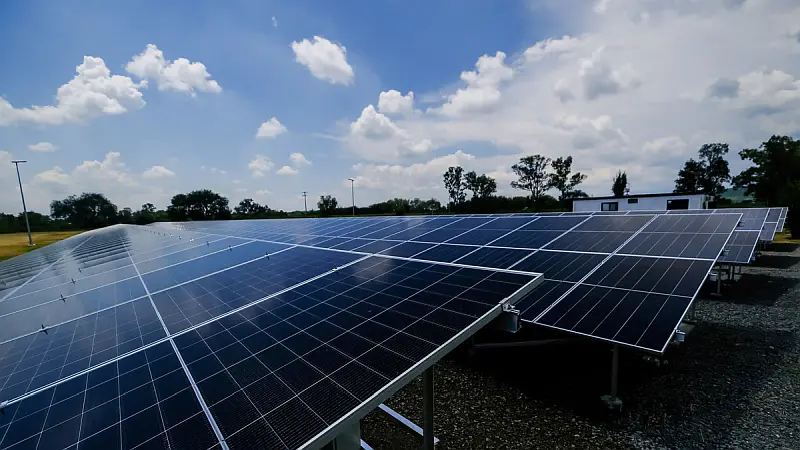
Jalisco is taking a major step toward solving its power shortages while cleaning up its electrical grid. Mexico’s National Energy Commission (CNE) officially granted an electricity generation permit to FV Cuquío, a new solar project in the municipality of Cuquío that will generate 120.7 megawatts (MW) of alternating current.
This approval is part of a broader push from federal regulators. In November, the CNE announced permits for six different projects following a second call for proposals from the Ministry of Energy. Once all six facilities are up and running, they will inject 649 MW of net capacity directly into Mexico’s National Electric System.
For Jalisco, this fresh wave of clean power arrives at a critical time. Manuel Herrera Vega, head of the Secretariat of Sustainable Energy Development (SEDES), noted that bringing these solar plants online will directly relieve the state’s ongoing electricity deficit.
Beyond keeping the lights on, the new infrastructure pushes Jalisco closer to the benchmarks laid out in its 2025–2030 Sustainable Energy Development Plan, which aims to have 60% of the state’s electricity generated from clean sources by the end of the decade.
Cuquío is just one piece of a much larger regional strategy. SEDES is actively managing a growing portfolio of renewable energy developments spread across key municipalities, including Lagos de Moreno, Acatlán de Juárez, and La Barca.
Among the biggest initiatives in the pipeline are the massive 395 MW “Mesa Redonda” project in Lagos de Moreno – which is expected to produce 1,065 gigawatt-hours annually – alongside the 118 MW “Acatlán Generación” facility in Acatlán de Juárez and another 100 MW solar farm in La Barca, Jalisco.
Getting massive energy projects off the ground often involves navigating a maze of federal regulations, which is where state officials have stepped in to clear the path. SEDES provides private energy companies with technical guidance and institutional backing, helping them meet federal compliance rules faster so they can secure their operating permits without delays.
That hands-on approach has already produced landmark results outside of solar power, too. With SEDES’ backing, the Brazilian firm BRIMEX – which operates a plant in Lagos de Moreno – recently secured Mexico’s very first federal permit to market biomethane, which can be used as a substitute for natural gas.
By pairing local administrative support with private investment, Jalisco is steadily turning its ambitious clean energy targets into working infrastructure.

We need your support to keep Banderas News thriving. As more and more news outlets resort to paywalls, we remain steadfast in our mission to provide free, quality journalism to Puerto Vallarta residents and visitors. Your contribution helps us maintain this commitment and continue serving our community.