Puerto Vallarta, Mexico – One of my favorite things about living in Mexico has been discovering that some of the simplest things can carry the most history, flavor, and tradition. Café de olla is a perfect example.
If you see café de olla on a menu while you’re in Mexico, order it. At least once. Even if you’re normally an Americano, latte, or plain-black-coffee person, this is one of those traditional Mexican experiences worth trying.
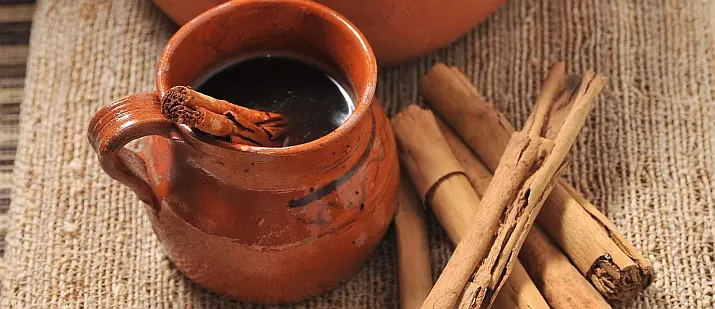
Café de olla literally means “coffee from the pot.” But this isn’t just regular coffee brewed in a different container. Traditionally, café de olla is prepared in an olla de barro, or clay pot, with ground coffee, cinnamon and piloncillo, an unrefined cane sugar commonly used throughout Mexico. Depending on the region or family recipe, you may also find additions such as cloves, star anise, orange peel or even a little chocolate.
A Cup With a Story
Like many traditional foods and drinks, the exact origin of café de olla isn’t perfectly documented. One of the most commonly told stories traces it to the Mexican Revolution of the early 1900s.
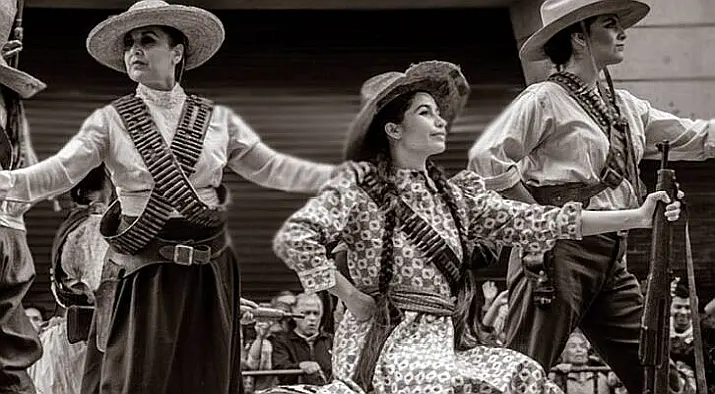
During the Revolution, women known as soldaderas – often called Adelitas – traveled with revolutionary troops. They weren’t simply standing on the sidelines. They cooked, carried supplies, cared for the wounded and, in some cases, fought alongside the men.
According to the popular story, these women prepared coffee in large clay pots over fires, adding piloncillo and cinnamon to create something warm, sweet and energizing for soldiers enduring long days and cold nights.
Historians point out that it’s difficult to identify one person or moment when café de olla was “invented,” and versions of sweetened coffee existed before the Revolution. But the Revolution is strongly associated with the drink’s history and its spread through Mexican culture.
What began as something practical eventually became something deeply traditional.
Café de olla moved from campfires into homes, markets, fondas and restaurants, becoming a drink associated with family, hospitality and mornings around the table. Recipes evolved along the way, which is why the café de olla you drink in one part of Mexico may taste completely different from the next.
And I think that’s part of its charm.
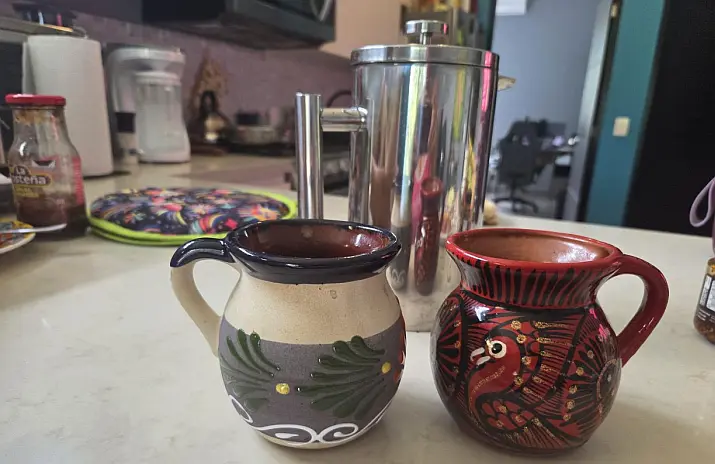
I like drinking mine out of my fancy cups.
Could I pour it into an ordinary coffee mug and drink it while answering emails or running around the house? Of course.
But sometimes I don’t want coffee to simply be the caffeine I consume while moving on to the next thing.
I want to slow down.
I want the beautiful cup. I want to smell the cinnamon. I want to sit for a few minutes and actually taste what I’m drinking. I want to notice the morning instead of racing through it.
There is something to be said for taking an ordinary part of your day and intentionally making it a little more special. Use the beautiful dishes. Sit somewhere you love. Put your phone down. Notice the steam coming off your coffee. Take the extra five minutes.
Sometimes the smallest details are exactly what turn “having a cup of coffee” into having a memorable experience.
Make Café de Olla at Home
The best part is that you don’t have to find a restaurant serving it. Café de olla is incredibly easy to make at home, and you don’t absolutely need a clay pot to enjoy it.
For about 4 cups, you’ll need:
4 cups water
4–5 tablespoons ground coffee
1 cinnamon stick
Piloncillo – start with about 1–2 ounces and adjust depending on how sweet you like your coffee
Optional: a small piece of orange peel, 1–2 cloves or a star anise
Bring the water and cinnamon to a simmer. Add the piloncillo and stir until it dissolves. Add the coffee, allow it to come just to a gentle simmer, then remove it from the heat. Cover and let everything steep for about 5–10 minutes.
Strain it into your favorite cup and enjoy.
If you have a traditional food-safe olla de barro, even better. Just be sure that any Mexican pottery used for food or drinks is certified lead-free, since some traditional glazed pottery can contain lead.
And then comes the most important part:
Don’t rush it.
Grab the cup you normally “save” for something special. Sit somewhere beautiful. Smell the cinnamon. Take a sip while it’s still hot. Because maybe the special occasion you’ve been saving those beautiful things for is simply this morning.

Have a Healthy day!
Heather
Heather Gray, FDN-P, is a master certified health practitioner, best-selling author, speaker, stand-up comedian, and host of the Renegade Health Boss podcast. A proud Puerto Vallarta resident, she shares her passion for health, resilience, and personal transformation while enjoying the adventure, community, and fresh perspective she found in Mexico.