Mexico and France are moving to expand agricultural trade under a major new accord, but Mexican officials stress that lower tariffs alone won’t be enough to open European markets to local farmers.
During recent talks, Mexican Agriculture Minister Columba López met with French Minister of Foreign Trade Nicolas Forissier to map out commercial opportunities created by the Modernized Global Agreement between Mexico and the European Union. While the updated pact gives Mexican exporters access to more than 450 million European consumers, López emphasized that regulatory hurdles must be cleared before farmers can see real gains.
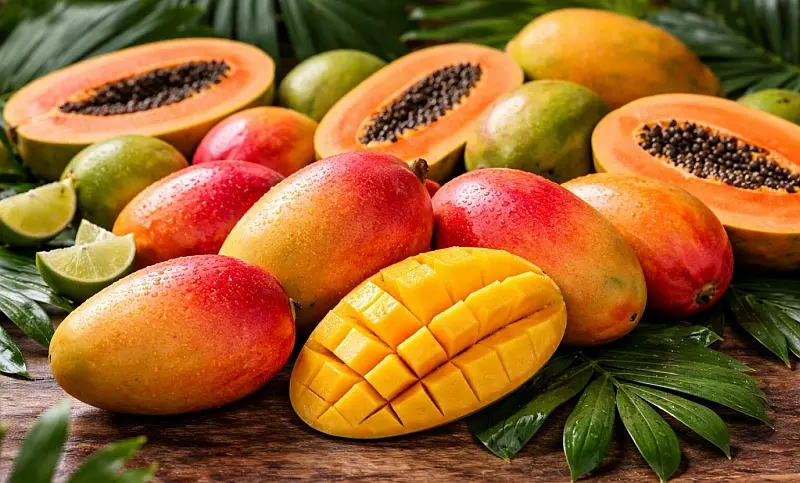
Cutting tariffs is only part of the equation, according to Mexican officials. Strict health guidelines and complex certification processes often create steep barriers, particularly for small- and medium-scale producers. López noted that these requirements must be addressed alongside trade policy so that products like avocados, coffee, honey, berries, limes, papayas, mangos, and bananas can reliably enter the European bloc. Similar concerns apply to organic farming, where compliance costs can easily price out smaller operations.
The diplomatic push comes as Mexico and the EU finalize a updated trade framework first established a quarter-century ago. Signed in May 2026, the modernized agreement sets fresh ground rules for origin tracking, trade procedures, and health regulations. The European Parliament gave its stamp of approval in July, leaving Mexico’s internal approval process as the final step before the commercial terms officially take effect.
Trade between the two markets reached $88.3 billion USD in 2025, with Mexican shipments to the European Union accounting for $23.8 billion. That volume makes the 27-nation block Mexico’s second-largest export market behind the United States, capping a 25-year period in which bilateral trade quadrupled.
Beyond commercial policy, the two nations are using the 200th anniversary of their diplomatic relations to deepen technical cooperation. López and French Ambassador Delphine Borione signed a Letter of Intent designed to drive joint research, technological support, and training across agriculture, forestry, and fisheries.
That partnership builds on existing field programs aimed at eco-friendly farming practices. Through joint efforts like AgroEcoBio-Mx, technical experts have organized 36 training workshops and set up 45 field schools across nine Mexican states, preparing 1,500 community leaders. On a larger scale, Mexico’s broader network of agricultural field schools now spans 28 states and has trained more than 171,000 farmers in sustainable techniques.

We need your support to keep Banderas News thriving. As more and more news outlets resort to paywalls, we remain steadfast in our mission to provide free, quality journalism to Puerto Vallarta residents and visitors. Your contribution helps us maintain this commitment and continue serving our community.