







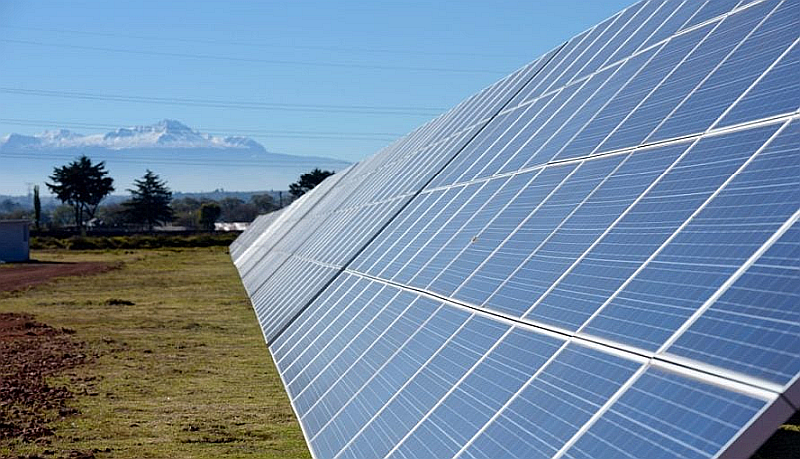
Mexico is ramping up its transition toward clean energy, utilizing a blend of international diplomacy, state-level initiatives, and private sector investment. This multi-layered strategy aims to solidify the country’s role as a sustainable industrial hub within North America.
The federal government has set an ambitious target to increase the share of clean energy in the national power mix to 40% by 2030, a substantial jump from the current level of approximately 22%. To reach this goal, officials plan to add 40,000MW of new generation capacity by focusing on solar, wind, and geothermal projects funded through both public and private channels.
International cooperation serves as a cornerstone of this transition, particularly through a deepening relationship with Canada. Under the framework of the United States-Mexico-Canada Agreement, the two nations have established the Mexico-Canada Action Plan 2026–2028. This roadmap prioritizes joint efforts in climate change mitigation, forestry, and sustainable mining.
Alicia Bárcena, Mexico’s Minister of Environment, noted that collaboration between mid-sized economies is vital for maintaining trade stability and advancing environmental management during times of global geopolitical tension.
These diplomatic efforts extend into direct conservation projects as well. In late 2025, Mexico’s environment ministry (SEMARNAT) and Parks Canada renewed a Memorandum of Understanding to protect shared ecosystems and migratory species.
A primary focus of this agreement is the conservation of the monarch butterfly, which travels annually across the continent. Because the species connects the territories of Mexico, the United States, and Canada, officials emphasize that its survival depends entirely on coordinated, nature-based solutions and Indigenous participation in managing protected areas.
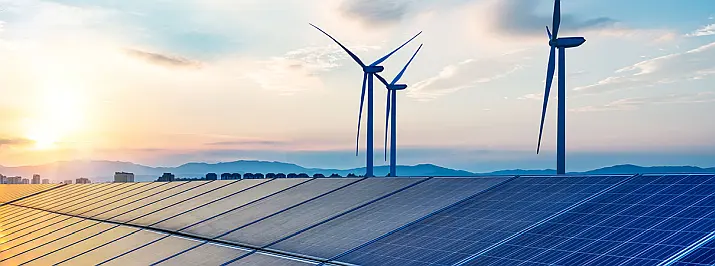
On a local level, individual Mexican states are taking the lead in implementing energy efficiency policies. In Aguascalientes, the State Energy Agency recently partnered with the National Commission for the Efficient Use of Energy (CONUEE) to reduce operational costs and boost industrial competitiveness.
This state currently ranks second nationwide in clean energy generation, contributing over 1,200MW to the national grid. Local initiatives include the expansion of solar panel adoption for small and medium-sized enterprises and the promotion of solar water heaters in residential neighborhoods to strengthen energy sovereignty.
The private sector is also driving on-site clean energy adoption to meet global decarbonization goals. For example, Maxion Wheels recently inaugurated a solar photovoltaic system at its manufacturing plant in San Luis Potosí.
This installation is expected to generate 919MWh of clean energy annually, reducing carbon dioxide emissions by roughly 617 tons per year. This project is part of a broader corporate trend where industrial leaders install their own power sources to ensure cost stability and reduce their environmental footprint.
Together, these combined efforts at the federal, state, and corporate levels reflect a comprehensive shift toward a more resilient and sustainable economic model for Mexico.

We Need Your Support: While other local media outlets have retreated behind paywalls, at Banderas News, we believe news should be free for everyone. Would you help us provide essential information to our readers at no cost? We can’t do it without you. Your contribution helps us sustain and grow.