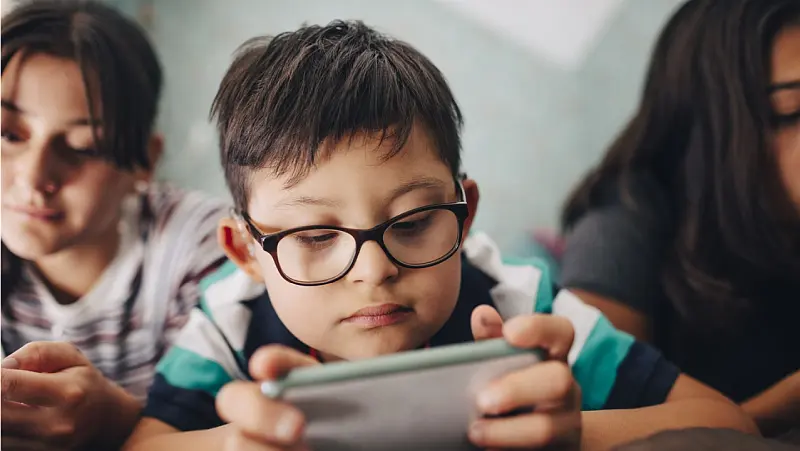
Mexico’s federal government has launched a nationwide discussion on the use of artificial intelligence, social media, and digital devices by children and adolescents, with the goal of creating a science-based regulatory proposal that could become legislation during the next congressional session.
During President Claudia Sheinbaum’s morning press conference, officials and specialists agreed that the objective is not to ban technology, but to promote responsible use that protects the mental health, development, and rights of young people.
Education Secretary Mario Delgado said the rapid growth of AI, smartphones, and social media has transformed how students learn and communicate. With more than 70% of Mexicans aged six and older using the internet—and more than 90% of adolescents online—he said the discussion must focus on digital safety as well as access to technology.
The Ministry of Public Education (SEP) will hold forums with teachers, parents, school leaders, and experts to develop recommendations for technology use in schools based on scientific evidence and a rights-based approach.
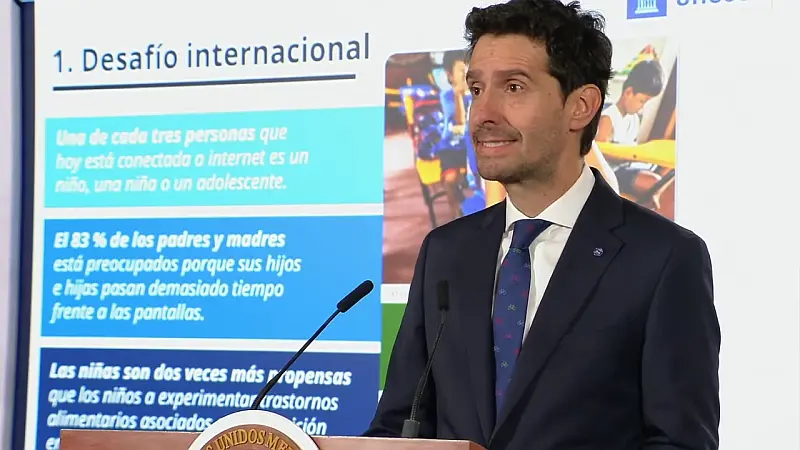
UNESCO representative Andrés Morales Arciniegas said digital technologies are reshaping education while also creating risks for children’s physical, emotional, and social well-being. He noted that one in three internet users worldwide is a minor, most parents worry about excessive screen time, and many countries are introducing school cellphone regulations. By March 2026, 58% of education systems worldwide had adopted such policies, up from 24% in 2023.
UNAM specialist Cimenna Chao Rebolledo said excessive screen use can affect identity, relationships, sleep, and mental health, particularly among emotionally vulnerable children. Meanwhile, SEP Undersecretary Ricardo Villanueva said Mexico has completed its most comprehensive survey on AI use among university students and is studying international models for regulating cellphone use in schools.
As part of the consultation, the SEP will host three additional regional forums in August and September and organize a National Week of Traditional Games to encourage face-to-face interaction among students.
President Sheinbaum said the government is seeking broad public consensus rather than imposing blanket restrictions. She added that scientific evidence links excessive social media use to addictive behaviors, sleep disruption, reduced family time, and potential impacts on children’s cognitive development. She also noted that 16 Mexican states have already restricted cellphone use in elementary schools.
If approved, the proposal would establish national guidelines for the responsible use of artificial intelligence and digital devices in educational settings, seeking to balance the benefits of technology with measures that support healthy childhood development and student well-being.

We Need Your Support: While other local media outlets have retreated behind paywalls, at Banderas News, we believe news should be free for everyone. Would you help us provide essential information to our readers at no cost? We can’t do it without you. Your contribution helps us sustain and grow.