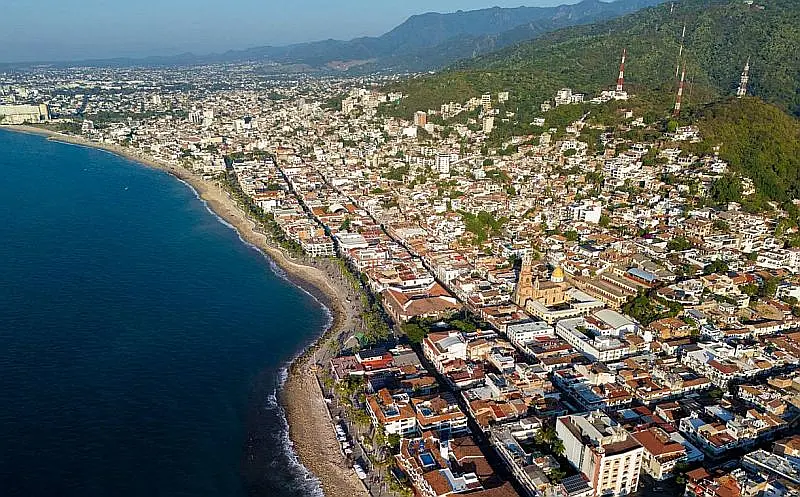
Puerto Vallarta’s recent recognition as the most competitive city in Mexico among metropolitan areas with populations between 500,000 and one million is more than a headline – it reflects a combination of economic strength, tourism success, public safety, infrastructure development, and quality of life.
According to the 2026 Urban Competitiveness Index (ICU) published by the Mexican Institute for Competitiveness (IMCO), the Puerto Vallarta metropolitan area earned the top position in its category, outperforming cities like Acapulco, Mazatlán, Veracruz, Oaxaca, Matamoros & Durango.
The annual study evaluates 72 metropolitan areas across Mexico using a broad range of indicators related to economic performance, security, infrastructure, innovation, environmental sustainability, labor markets, and quality of life. Together, these cities account for the majority of the country’s economic activity and nearly two-thirds of its population, making the rankings an important measure of national competitiveness.
One of Puerto Vallarta’s greatest strengths continues to be tourism. The destination recorded the highest hotel occupancy rate among cities in its category, averaging 73.38 percent. This strong performance helped support economic growth, with the metropolitan area posting a 2.73 percent increase in Gross Domestic Product (GDP).
This commercial strength translates into substantial financial independence for the municipality. The city generated 46.84 percent of its budget through own-source revenues, leading its category and demonstrating high financial autonomy to fund public projects.
Security indicators also contributed to Vallarta’s leading position. The metropolitan area reported a homicide rate of 8.98 per 100,000 residents and achieved the highest perception of safety in its category, with 59.13 percent of residents expressing confidence in local security conditions.
Urban development is another area where the region is evolving. The report highlights a growing trend toward vertical housing, with nearly 75 percent of new residential construction taking place in multi-story buildings. While only a small percentage of these developments are located within the city center, the data reflects continued expansion throughout the metropolitan area as demand for housing grows.
Environmental infrastructure also played a significant role in the ranking. Puerto Vallarta led its category in water treatment capacity, reaching 4.33 liters per second per thousand inhabitants. This achievement points to ongoing investments in sustainability and public infrastructure that support both residents and future growth.
IMCO’s findings suggest that Puerto Vallarta’s success extends beyond its reputation as a beach destination. The city’s ability to attract investment, create economic opportunities, maintain strong tourism performance, and improve public services has helped establish it as one of Mexico’s leading centers for growth and development.
By securing the top spot in the Urban Competitiveness Index, Puerto Vallarta reinforces its position as a destination where tourism, business, and quality of life continue to advance together, benefiting both residents and the region’s long-term future.

We Need Your Support: In a world where information is increasingly locked behind paywalls, Banderas News remains committed to providing essential news and information to Puerto Vallarta residents and visitors, free of charge. Your support ensures we can continue delivering the stories that matter most to you. By contributing, you’re not just supporting a news outlet; you’re safeguarding the right to an informed community. Your contribution helps us sustain and grow.