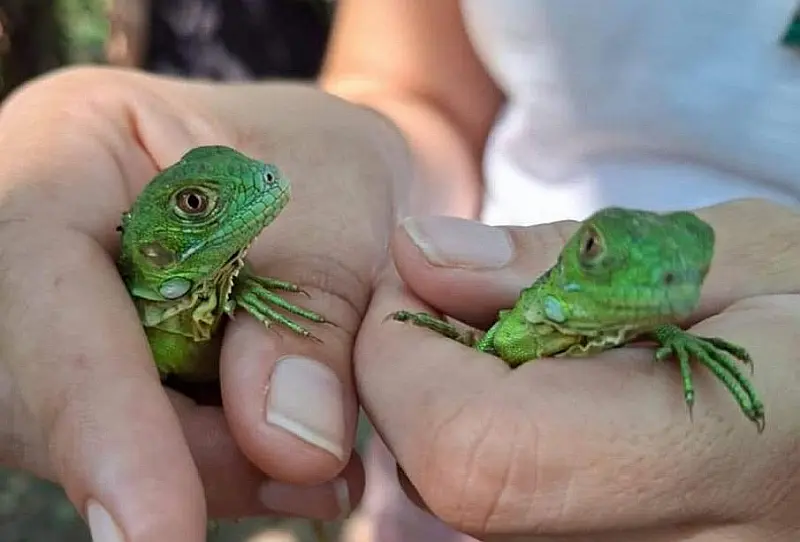
Puerto Vallarta, Mexico – The Centro Universitario de la Costa (CUCosta) joined the recent celebrations marking the 26th anniversary of the declaration of the El Salado Estuary as a Protected Natural Area with the release of 180 young green iguanas in Puerto Vallarta. The initiative highlights ongoing efforts to protect local wildlife and strengthen conservation of the city’s natural ecosystems.
The iguanas came from rescued nests and were cared for at CUCosta’s UMA Cipactli Reptile House, a Wildlife Conservation Management Unit dedicated to the protection and management of reptiles. The young animals remained there for approximately two months, receiving specialized care before being transferred to the estuary for release into their natural habitat.
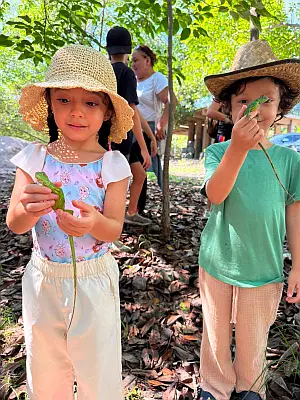
Located within Puerto Vallarta’s hotel zone, El Salado is one of the city’s last major mangrove ecosystems. The area was declared an Ecological Conservation Zone on July 27, 2000, establishing a protected space that provides habitat for numerous species while also serving as an important setting for environmental education and scientific research.
CUCosta has maintained a close relationship with El Salado for more than two decades. During that time, the university has participated in projects involving the monitoring of plant and animal species, mangrove and wetland research, wildlife conservation and environmental education.
The estuary also provides valuable opportunities for university students. Biology, ecology and environmental management students use the area for fieldwork, professional training, social service programs, research projects and thesis development. Professors and researchers likewise use the protected area as a natural laboratory for studying the ecosystems of Banderas Bay.
CUCosta Rector María Esther Avelar Álvarez emphasized that protecting El Salado is closely connected to the university’s educational mission.
“The conservation of the El Salado estuary is also a commitment to the education of our students,” she said, highlighting the importance of giving students opportunities to learn directly from the region’s natural environment.
Beyond its educational value, El Salado plays an important ecological role for Puerto Vallarta. Its mangroves and wetlands provide habitat for a wide range of flora and fauna and contribute to the health and balance of coastal ecosystems.
The release of the 180 iguanas reflects the broader cooperation needed to protect these resources. Academic institutions, environmental authorities and members of civil society each contribute knowledge, resources and community involvement to conservation efforts.
For CUCosta, the latest release continues more than 20 years of work connected to the protection of El Salado. By combining research, education and direct conservation actions, the university is helping preserve one of Puerto Vallarta’s most important natural areas while preparing future generations to care for the Banderas Bay region’s environmental heritage.

We Need Your Support: While other local media outlets have retreated behind paywalls, at Banderas News, we believe news should be free for everyone. Would you help us provide essential information to our readers at no cost? We can’t do it without you. Your contribution helps us sustain and grow.