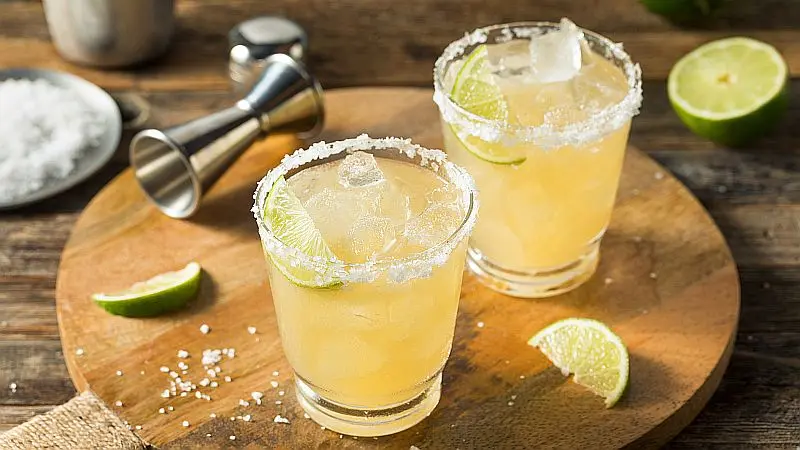
Mexico’s most iconic spirit has a new official day of celebration. Beginning this year, National Tequila Day will be observed every July 24, following a presidential decree that aligns the country’s celebration with International Tequila Day and highlights tequila’s cultural, historical, and economic importance.
The change was published in Mexico’s Official Gazette on May 28, 2026, after receiving congressional approval on April 22 and being signed into law by President Sheinbaum. The new decree replaces a 2018 measure that established the celebration on the third Saturday of March.
The new date is intended not only as an opportunity to raise a glass, but also to recognize tequila’s centuries-old heritage, its international reputation, and the important role it plays in Mexico’s economy. It also brings attention to the challenges faced by agave growers and tequila producers who help preserve one of the country’s most recognizable traditions.
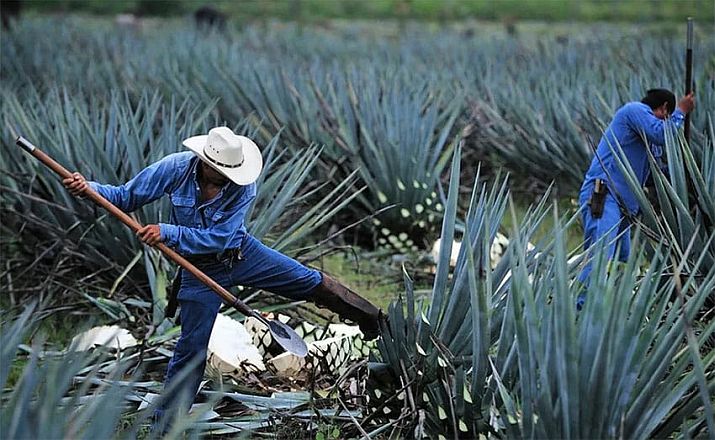
Tequila is a distilled spirit made from blue agave, a plant native to Mexico. Its history stretches back long before the arrival of the Spanish, when Indigenous peoples fermented agave sap into a beverage known as pulque. After Spanish settlers introduced distillation techniques in the early 1500s, the process evolved into mezcal, eventually leading to the creation of tequila in what is now the state of Jalisco, where blue agave flourished.
Today, authentic tequila can only be produced within a protected Denomination of Origin established in 1974. The designation covers 181 municipalities across five states: Jalisco, Nayarit, Michoacán, Tamaulipas, and Guanajuato. Jalisco remains the heart of tequila production, accounting for the majority of the protected territory.
The spirit’s cultural significance received international recognition in 2006 when UNESCO designated the Agave Landscape and Ancient Industrial Facilities of Tequila, located in Jalisco’s Amatitán Valley, as a World Heritage Site. The region showcases centuries of agave cultivation and tequila production that have shaped the area’s identity.
Tequila has also become one of Mexico’s most valuable exports. According to the Ministry of Agriculture and Rural Development, the country exported nearly 408 million liters of tequila in 2025, with the United States, Japan, and Canada among its largest international markets. About 73 percent of those exports were made from 100 percent blue agave tequila, while roughly 90 percent of production originated in Jalisco, Guanajuato, and Michoacán.
The global tequila market reached an estimated value of $13.3 billion in 2025, making tequila Mexico’s second most important agro-industrial product after beer. More than 100 registered distilleries now produce over 900 recognized tequila brands, reflecting the spirit’s growing popularity around the world.
With National Tequila Day now permanently set for July 24, Mexicans and tequila enthusiasts worldwide have another reason to celebrate one of the country’s most enduring traditions. Whether enjoyed neat, on the rocks, or in a favorite cocktail, the iconic spirit continues to bring people together while honoring generations of craftsmanship and Mexican heritage.

For over 25 years, Banderas News has been the pulse of Puerto Vallarta, bringing you stories that matter most to residents and visitors alike. From breaking news to exciting events and cultural features, we’ve been dedicated to keeping you informed and connected – free of charge. Your contribution helps us maintain this commitment and continue serving our community.