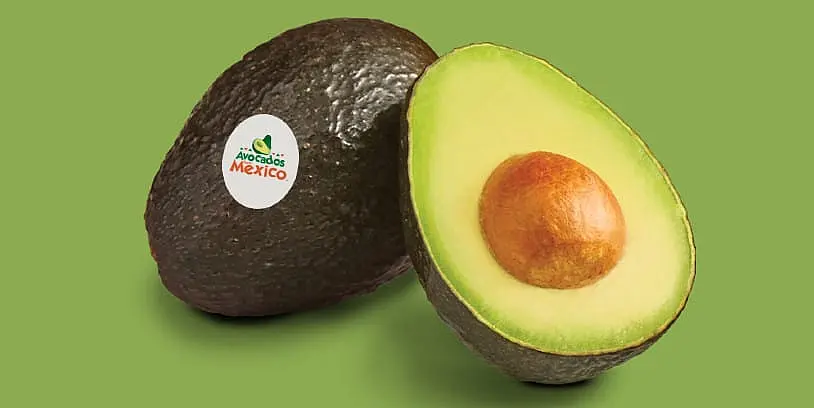
Avocado imports from Mexico to the United States are climbing sharply this year, supported by a strong harvest and steady consumer demand. Mexico is on track to produce its largest avocado crop in five years, thanks largely to favorable growing conditions.
Growers point to ideal weather as a key factor behind the abundant harvest. The state of Michoacán, which supplies more than 80 percent of the avocados consumed in the U.S., benefits from consistent rainfall, warm days, cool nights, and fertile volcanic soil. These conditions help produce high-quality fruit and reliable yields year after year.
The increased supply has helped keep prices lower than last season while maintaining stability. Stable pricing allows retailers to plan promotions with confidence, helping keep avocados moving quickly through stores. Despite the large volume entering the U.S., strong demand has prevented inventories from piling up.
Health trends continue to fuel consumption. Avocados are widely recognized as a source of healthy fats that support heart health, making them popular among shoppers focused on balanced diets. Changing eating habits, including smaller portions and more attention to fresh foods, are also encouraging consumers to choose fruits and vegetables more often.
Demographics are another major driver of demand. Hispanic consumers, who eat significantly more avocados than the general population, continue to play a leading role in expanding consumption across the country. Population shifts into the southeastern United States have also created new growth markets. At the same time, younger consumers, including Millennials and Gen Z, are embracing avocados as a staple ingredient in meals and snacks.
Import figures reflect this growing appetite. During the first three months of 2025, avocado imports totaled 297.3 million pounds. Between January and March of this year, imports rose to 396.9 million pounds—a 33 percent increase that highlights the fruit’s continued popularity.
Mexico’s avocado industry has also expanded beyond its traditional base. While Michoacán remains the primary exporter, the state of Jalisco joined the export program to the U.S. in July 2022 and continues to increase its output, adding to the country’s overall supply.
Mexico’s proximity to the United States remains a major advantage. Fresh avocados can be harvested, packed, and delivered to the U.S. border in less than 48 hours, allowing for efficient distribution. By comparison, shipments from South America typically take at least a week by sea, adding time and cost.
Looking beyond the United States, demand for avocados is also growing in Canada, Europe, and Asia. While Europe’s consumption is rising steadily, Asia is still in earlier stages of market growth, suggesting strong potential for future expansion.
With strong harvests, reliable logistics, and growing global demand, Mexico’s avocado industry continues to strengthen its role as a key supplier to markets across North America and beyond.

We need your support to keep Banderas News thriving. As more and more news outlets resort to paywalls, we remain steadfast in our mission to provide free, quality journalism to Puerto Vallarta residents and visitors. Your contribution helps us maintain this commitment and continue serving our community.